Losing weight without exercise can be challenging, but it’s possible with the right approach. Here are some strategies to help you shed pounds:
1. Dietary Modifications: Focus on your diet by making healthier food choices. Reduce your calorie intake by opting for lean proteins, whole grains, fruits, and vegetables. Avoid sugary and high-fat foods.
2. Portion Control: Pay attention to portion sizes. Eating smaller, balanced meals throughout the day can help regulate your metabolism and control hunger.
3. Stay Hydrated: Drink plenty of water throughout the day. Sometimes, our bodies confuse thirst with hunger, leading to unnecessary snacking.
4. Mindful Eating: Eat slowly, savor your food, and listen to your body’s hunger cues. Avoid distractions like TV or smartphones during meals.
5. Meal Planning: Plan your meals in advance to avoid impulsive, unhealthy choices. Cook at home to have better control over ingredients and portion sizes.
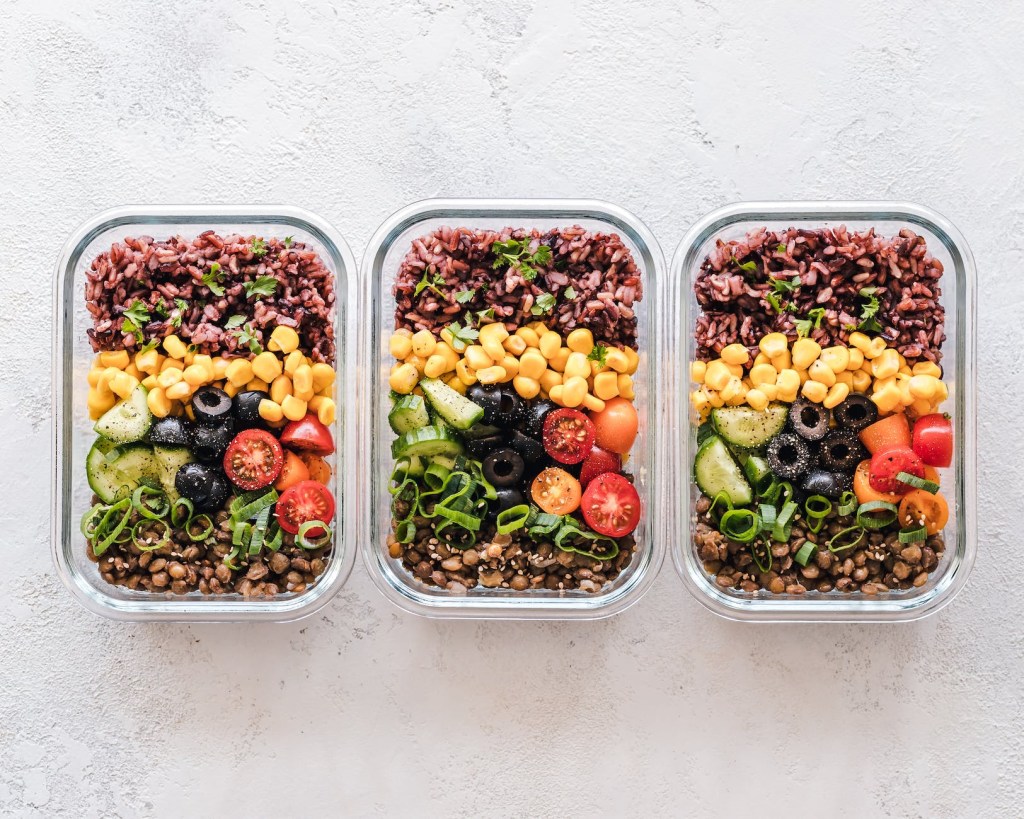
6. Healthy Snacking: If you need to snack, choose nutritious options like nuts, yogurt, or fruits instead of processed snacks.
7. Balanced Nutrients: Ensure you’re getting a balanced intake of macronutrients (carbohydrates, protein, and fats) and essential vitamins and minerals.
8. Track Your Intake: Consider using a food diary or a mobile app to monitor your daily calorie intake.
9. Consult a Dietitian: A registered dietitian can create a personalized meal plan that suits your needs and helps you lose weight safely.

10. Stress Management: High stress levels can contribute to weight gain. Practice relaxation techniques like meditation or yoga to manage stress effectively.
Remember that losing weight without exercise may take longer, but it’s achievable through a combination of dietary changes and lifestyle adjustments. Always consult with a healthcare provider before making significant changes to your diet or lifestyle.
For personalized guidance on weight loss, please consult a healthcare professional or a registered dietitian.
 The Daily Healthy Mom Blog